6 steps to survive solo Rust while holding an OP monument
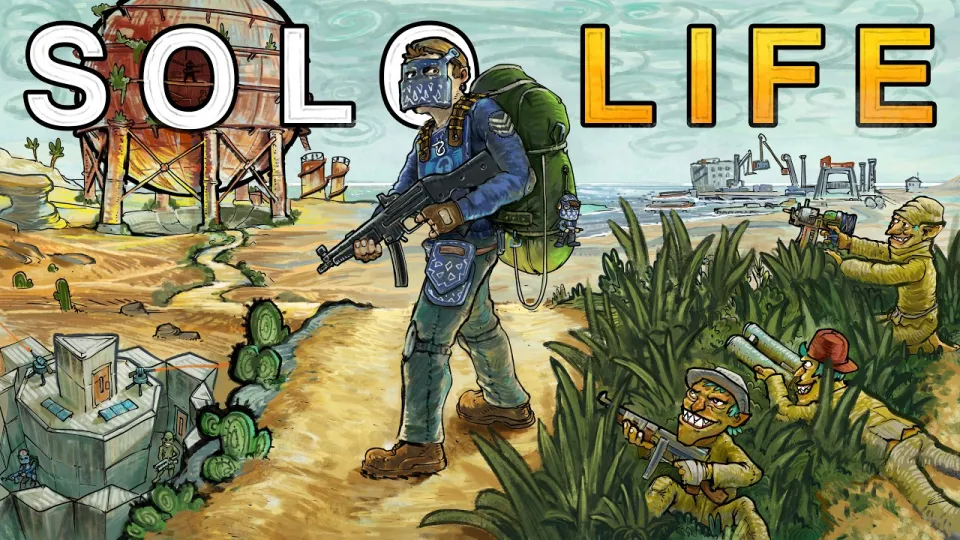
Video: Rust - THE SOLO LIFE V16
Need articles like this for your video? They help promote it on YouTube and Google — order them in the Telegram bot @sat_sit_bot. Articles with your video embedded are written and posted by the bot itself — on popular topical sites (no ads). Free trial — 50 articles.
· based on the channel Blooprint
Key takeaways
- Blooprint's The Solo Life V16 shows a solo player holding an OP monument while fighting several hostile neighbors at once.
- A solo base near a high-value monument trades safety for loot access — the video's core tension is managing that trade.
- Night fights in Rust are a recurring frustration: viewers repeatedly note they can barely see anything even with night vision.
- A friendly neighbor, nicknamed grrrr in the comments, becomes a key ally during a raid defense and is repeatedly suggested as a duo partner.
- The episode follows the previous solo series installment closely enough that viewers call the release schedule 'crazy'.
Rust solo play means running a one-person operation on a server where every other group can out-number you, and the fastest way to make that work is to claim a high-value monument early, build small nearby, and treat every fight as one you choose rather than one you're dragged into. Blooprint's The Solo Life V16 puts that formula on display: one player holds an overpowered monument while several angry neighbors try to push him off it. If you want the same result, the sequence below is the practical version — and if you also play vehicle combat games, you can grab a free War Thunder bonus through the Blooprint registration link while you're at it.
Why a monument base beats a safe corner in Rust solo
A monument base is a bet that loot density matters more than distance from danger, and in solo Rust that bet usually pays if you keep the footprint small. High-tier monuments — the kind that spawn military crates, elite crates and puzzle loot — give a solo player a repeatable source of components, scrap and weapons without crossing the map. The cost is foot traffic: every group on the server knows the monument is worth something, so you will be scouted, tested and eventually raided.
The trade works because a solo player cannot win a resource race against a clan. A clan of four can farm a road for an hour and out-produce you three-to-one; nobody can out-loot three people with the same monument on their doorstep. Build compact, keep the loot in the core, and accept that the base is a tool for generating fights you can win, not a fortress you expect to keep forever.
6 steps to hold an OP monument as a solo player
Holding a monument alone is a repeatable process, not a lucky streak. These six steps are the ones that decide whether you keep the loot or lose the base on the first night.
- Scout before you build. Run the monument's perimeter for a full in-game day. Count how many bases overlook it, which sides have cover, and where players habitually enter. You are looking for a build spot that sees the approaches without being seen from the road.
- Build a starter, not a home. A 2x1 with an airlock and a locked tool cupboard is enough for the first sessions. Spend the early game on a workbench and a furnace instead of honeycomb you cannot afford to upgrade.
- Control the monument's timing. Learn the crate and puzzle respawn windows and farm them on a schedule. Consistency beats greed: two clean runs per cycle with nothing lost is better than four runs where you die twice.
- Keep an escape route. Every base needs a second exit that is not the front door — a jump-down, a window, a back door onto terrain. When a group pushes, the exit is what saves the loot, not the door strength.
- Bank your value. Convert scrap and components into blueprints and store guns, ammo and explosives in separate small stashes or a second bunker. A raid should never take everything you own.
- Pick your fights by sound. Gunfire tells you where groups are and how many. Rotate toward fights already in progress, third-party the winner, and never open a fight you cannot end in under thirty seconds.
Night fights, vision and the reality of solo PvP
Night in Rust is where solo players die to groups for reasons that have nothing to do with aim. Even with night vision, the visibility is poor enough that spotting a player at range is guesswork, and a group can simply spread out and cover angles a single player cannot watch. Treat darkness as a defensive tool: move between cover, avoid open fields and roads, and use the monument's lit interiors as bait rather than as a place to stand.
Solo PvP is also a numbers problem. Three players spending ten to twenty minutes hunting one solo are wasting their own farming time, so the correct response is often to stay alive and boring rather than to win the exchange. Disengage, let them lose interest, and come back for the loot when the group has moved on. That patience is what separates a solo run that lasts a wipe from one that ends on day two.
How to defend a solo base against a group raid
A solo raid defense is won before the first rocket lands, through layout and information. Online raids against solo bases usually come from neighbors who have watched your routine, so break that routine: vary your farming hours, move loot after you have been scouted, and keep the tool cupboard in a spot that forces attackers through at least two doors.
During the raid, the goal is not to kill everyone — it is to make the raid expensive. Shoot from unexpected angles, repair behind the fight, use the escape route to reposition outside the base, and hit attackers from the flank while they are focused on the wall. Two solo defenders working separate angles can stall a group far larger than themselves, which is exactly what happens when a friendly neighbor joins the defense. That kind of alliance is worth more than any single gun, and it is the reason players keep asking for duo runs after watching a good defense.
Common questions solo players ask after watching this episode
Most of the pushback around solo content comes from the same few doubts, and they are worth answering directly. Viewers regularly point out that dark scenes are hard to follow on video — that is a capture problem, not a gameplay one, but it does reflect how punishing night vision genuinely is for a lone player. Others note the pace of releases and ask how one player produces so much solo material; the answer is that a solo wipe generates dozens of hours of footage that gets cut down to the fights that matter.
The most common request is about allies. A reliable neighbor changes the math on every raid defense, so the recurring suggestion to run a duo is not nostalgia — it is a recognition that Rust's group dynamics are the real difficulty setting. The counter-argument, and the reason solo series keep coming back, is that a one-person operation produces tension no group video can match.
Useful links
- War Thunder free bonus (PC and consoles)
- War Thunder mobile bonus
- Blooprint on Twitch
- Blooprint on Kick
- Blooprint on TikTok
What The Solo Life V16 teaches about playing Rust alone
Holding a monument solo is a discipline of small decisions: build tight, farm on a schedule, bank what you cannot afford to lose, and treat every fight as optional. The Solo Life V16 makes the point that a single player can hold ground against a whole neighborhood as long as the base stays cheap and the loot stays spread out. The channel Blooprint has built this series around exactly that idea, and the episode is a useful reference for anyone planning a solo wipe. If you want to support the channel and pick up a free bonus in the process, use the War Thunder sign-up link before your next session.
Questions & answers
Can you actually hold a monument alone in Rust?
Yes, but only with a small, cheap base and a farming routine you stick to. The advantage of a monument is loot density, not safety, so a solo player should expect to be scouted and raided and should keep the most valuable items in a separate stash or bunker.
Why is night so hard to see in Rust videos?
Rust's night cycle is genuinely dark, and night vision only partly fixes it, which is why viewers often say they can barely see the action. For gameplay, treat darkness as cover: move between objects, avoid roads and open fields, and use lit monument interiors to bait other players.
How do you defend a solo base against a raiding group?
Make the raid expensive rather than trying to win every gunfight. Force attackers through multiple doors, keep a second exit, repair during the fight, and shoot from angles outside the base. A trusted neighbor joining the defense can turn a losing raid into a stall.
Should a solo player team up with a neighbor?
A reliable neighbor is the single biggest upgrade to a solo wipe, because it doubles your angles during a raid defense and gives you someone to trade loot and information with. Many viewers push for duo runs for exactly that reason, though pure solo play remains the more tense format.
Source: Rust - THE SOLO LIFE V16 · Markdown version