Rust: How Admin Trolling With the New Animals Works
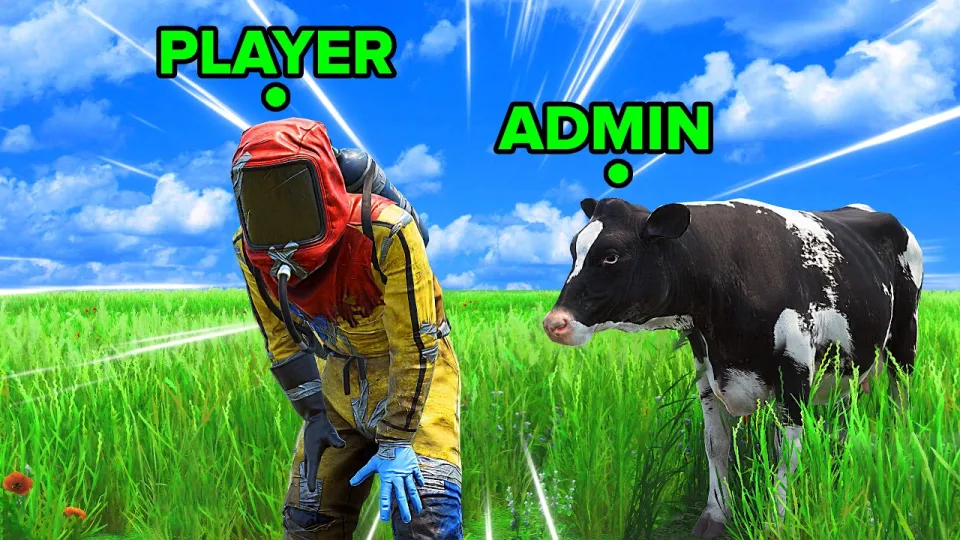
Video: Controlling The NEW Animals In Rust - Admin Trolling
Need articles like this for your video? They help promote it on YouTube and Google — order them in the Telegram bot @sat_sit_bot. Articles with your video embedded are written and posted by the bot itself — on popular topical sites (no ads). Free trial — 50 articles.
· based on the channel Enardo
Key takeaways
- Rust's animal roster expanded beyond bears, boars, wolves and chickens to include cows, bulls, sheep, horses, frogs, turtles and squirrels.
- Admin trolling in Rust means a server owner uses admin tools to spawn, possess or move entities and mess with players without breaking the game rules.
- Enardo and Lucas Battle ran the animal experiments on a one grid random farming server and a 10x server.
- The most repeated trick is spawning a large herd of cows around a single player, including a stack of ten.
- The weeping angel bit uses animals that only move toward a player when nobody is looking at them.
Rust admin trolling is the practice of a server owner using admin tools — spawning entities, possessing animals, teleporting and manipulating the world — to prank players rather than to moderate them. The most popular version right now involves the expanded animal roster: admins take control of cows, bulls, sheep, horses, frogs, turtles and squirrels and use them to confuse, stalk and ambush survivors. Enardo and Lucas Battle built a whole session around it on a one grid random farming server and a 10x server, and the format has become a recurring event for the channel. If you want to support the channel while shopping for wall art, the Displate sale link gives 22% off one displate, 27% off two and 33% off three or more.
What the new animals in Rust actually are
The new animals in Rust are a broader wildlife set that goes far beyond the old bear, boar, wolf and chicken loop. Cows and bulls now graze the map and drop meat and leather, sheep and horses fill out the farmable side of the world, and smaller creatures like frogs, turtles and squirrels add ambient life to rivers, roads and forests. For a survival game where hunger, thirst and cold are the core pressures, more animals mean more food sources and more leather for early gear, but also more noise and more moving shapes that can hide a real threat.
That is exactly why the roster is so useful for admin trolling. A player who has trained themselves to spot a bear silhouette at 100 meters will still walk straight past a cow, and a cow that behaves slightly wrong is far more unsettling than a wolf that behaves normally. The animals are also cheap to spawn in large numbers, which makes them ideal for visual gags and slow-burn psychological tricks alike.
How the animal admin trolling session was set up
Controlling the new animals in Rust requires admin privileges on the server, and the setup here was deliberately casual: a one grid random farming server and a 10x server. One grid means the entire map is a single grid square, so players are packed close together and every prank has an audience. A 10x server multiplies gather rates, so players progress fast, build quickly and spend more time roaming — which means more people to bump into a suspicious cow.
The workflow the admins followed looks like this:
- Pick a target who is farming or building alone, ideally one who is talking in voice chat.
- Spawn or possess an animal near the target, starting small — a single cow, a turtle, a frog.
- Escalate: more animals, closer spawns, weirder behavior, until the player reacts.
- Follow the reaction rather than the plan; the funniest moments come from players talking back to the animal.
- Reset and move on before the joke wears out for the whole server.
Because both servers are community-run and the players know the admins are active, the trolling reads as an event rather than abuse. That distinction matters: on a normal server, an admin spawning ten cows around you is a red flag; on an Enardo server it is Tuesday.
The best bits: cow swarms and the weeping angel
The standout gag of the session is the cow swarm — spawning a herd around a single player and letting them work out that something is wrong. One moment that landed hardest for viewers was a stack of ten cows appearing at once, a number that turns a farm animal into a wall of mooing beef. The joke works because cows are harmless by default, so the threat is entirely social: the player knows another human is watching and deciding what to do next.
The second recurring bit is the weeping angel, borrowed from the statue monsters that only move when unobserved. Applied to animals, it means an admin possesses or moves a creature only while the player is looking away, so every time they turn around the animal is a little closer. It is slow, quiet and far more effective than a jump scare, and viewers immediately suggested extending the idea to scarecrows so the trick could exist without an admin online. Another running theme is voice chat: Russian-speaking players get turtle and frog gags, and the French get a frog joke, all of which depend on the animal actually being there to talk to.
Why animal trolling works so well in Rust
Animal trolling works in Rust because the game has already trained players to read wildlife as either food or danger, and an admin-controlled animal breaks both assumptions. A cow that follows you is not food and not a threat, so the brain has no script for it. Add proximity voice chat — Rust's most underrated horror engine — and the animal becomes a character the player can argue with.
There is also a practical side. Compared to raid trolling or base griefing, animal pranks are cheap, reversible and rarely ruin hours of progress. Nobody loses a box of explosives because a turtle stared at them. That makes the format sustainable across wipes, which is why it keeps coming back on the channel's servers rather than burning out after one video.
Common questions and doubts from viewers
A few themes come up again and again in the comments, and they are worth addressing directly.
- Is this allowed? On the admins' own servers, yes — it is a declared event, and the players involved signed up for a community where this happens. On an official or third-party server, an admin doing this without warning would be abusing power.
- Does spawning that many animals hurt performance? Large entity counts can affect server tick rate, which is why the biggest swarms are short bursts rather than permanent fixtures. Players have suggested toning down the volume and building tension first, and that is fair feedback.
- Can normal players do any of this? No. Possessing and spawning animals requires admin tools. The closest a regular player gets is luring wildlife into a base or using animals as cover.
- Where can I play with this? The servers, merch and community links are listed below; the servers run the one grid and 10x setups used in the video.
Links from the video
- Displate sale (22% off one, 27% off two, 33% off three or more): https://displate.com/l/enardo
- Servers: https://enardo.gg
- Merch: https://enardo.store
- Discord: https://discord.gg/enardo
- Twitch: https://www.twitch.tv/enardo
Conclusion
Animal-based admin trolling is one of the few Rust formats that stays funny without costing anyone their base, and the new wildlife roster gives it far more material than bears and boars ever did. The recipe is simple: a small server, a player who talks in voice chat, and an admin willing to be a cow for twenty minutes. Enardo, with Lucas Battle alongside, has turned that recipe into a recurring event on the one grid and 10x servers, and the weeping angel bit suggests there is still room to push it further. If you want to see the full session, the video breakdown above covers it; if you want to support the channel, use the Displate link for up to 33% off.
Questions & answers
Can regular players control animals in Rust?
No. Possessing or spawning animals requires admin privileges on the server. Regular players can only interact with wildlife through normal mechanics — hunting, luring animals toward a base, or using them as cover. The tricks shown in the video rely entirely on admin tools.
Why do admins spawn so many cows at once?
Volume is the punchline. A single cow near a player is normal; ten cows appearing together turns a harmless farm animal into an absurd wall of noise and movement. It is also a cheap effect — cows cost little to spawn and are easy to remove, so the prank stays short and reversible.
What is the weeping angel trick in Rust?
It borrows the idea of statues that only move when nobody is watching. An admin moves or possesses an animal only while the player is looking away, so each time they turn around it is closer. It is slower and creepier than a jump scare, and viewers have suggested applying the same logic to scarecrows.
Is admin trolling against Rust's rules?
On the admins' own community servers it is a declared event, and the players involved know it happens there. On official or third-party servers, an admin using powers to mess with players without warning would be considered abuse. Context — consent and server ownership — is what separates the two.
Source: Controlling The NEW Animals In Rust - Admin Trolling · Markdown version